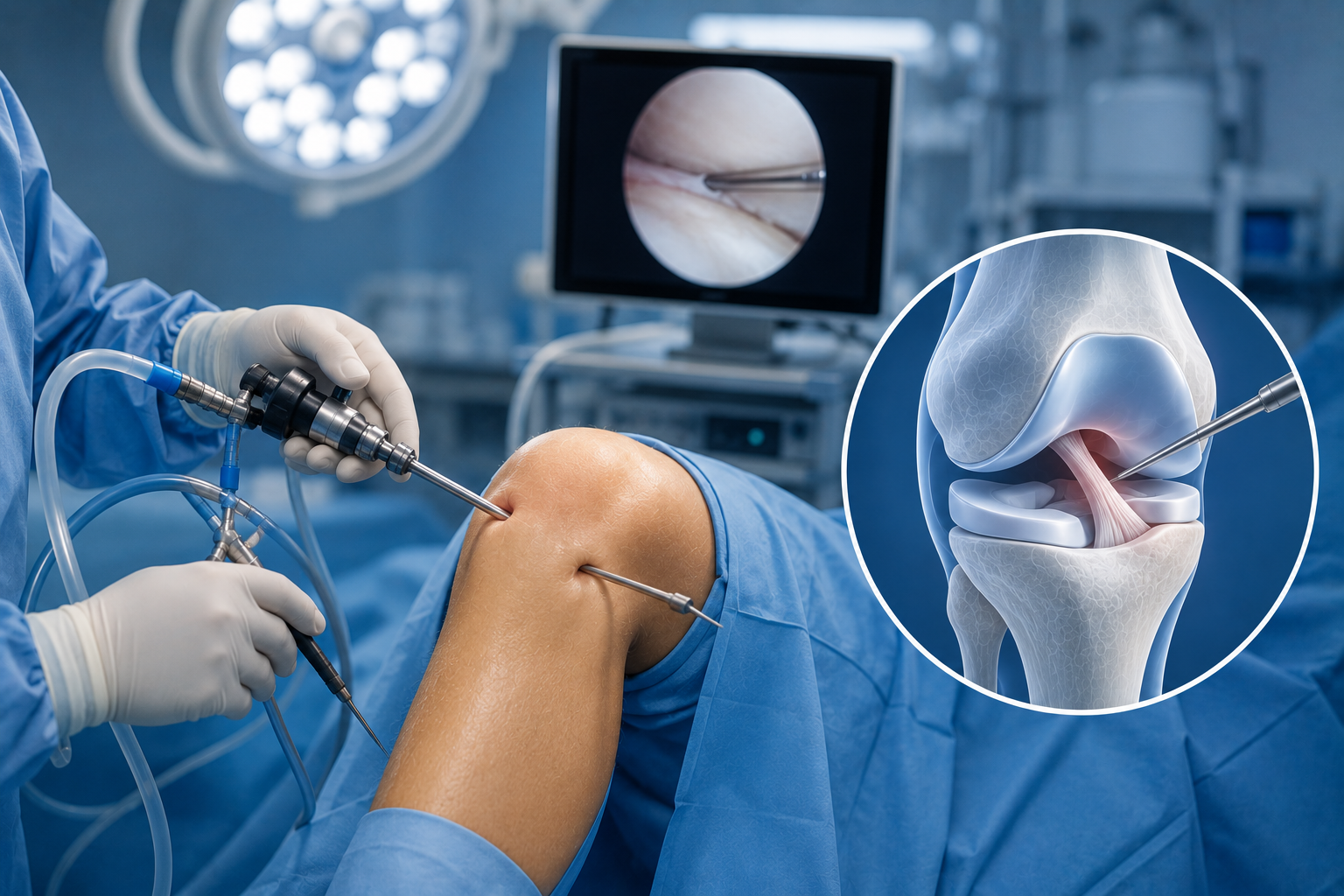

Knee pain can become a real problem when completing everyday tasks such as walking, climbing stairs, standing and sitting. Osteoarthritis can often cause chronic knee pain due to a slow breakdown of the cartilage within the knee joint. If the damage is limited to one area then partial knee replacement can be a great option.
Unlike total knee replacement, partial knee replacement will only replace the damaged part. Understanding who should receive this operation can help identify what the best option is for your knee pain. A Best Orthopedic Surgeon in Banashankari can assess how much damage there is and provide an indication of how to treat it.
What Is A Partial Knee Replacement?
A partial knee replacement is also known as a knee replacement. It is an operation which can be performed when arthritis or damage occurs within one area of the knee.
The knee consists of 3 compartment :
- Medial compartment: The inner side of the knee.
- Lateral compartment: The outer side of the knee.
- Patellofemoral compartment: The area between the kneecap and thighbone.
During the operation the damaged area of the joint is removed and replaced with prosthetic parts. The remaining areas of the knee are left intact. This means some of the knee’s anatomy remains.
Who Need Partial Knee Replacement?
Partial knee replacements are usually for those with arthritis or damage to one area of the knee. Patients may be considered for this surgery if:
- They suffer from osteoarthritis to one area of the knee.
- They have knee pain which will not subside with alternative treatments.
- Difficulties when climbing stairs.
- Other areas of the knee are not excessively damaged.
Partial Knee Replacement Vs Total Knee Replacement
Both operations can help with knee arthritis. The difference is partial knee replacements are for damage to one area while total knee replacements are for replacing the whole knee
| Partial Knee Replacement | Total Knee Replacement |
| Replaces one damaged compartment | Replaces the affected joint surfaces across the knee |
| Preserves more healthy bone and cartilage | Involves more extensive joint resurfacing |
| Requires arthritis to be limited to a suitable compartment | May be recommended when arthritis affects multiple compartments |
| May allow a quicker early recovery in suitable patients | Recovery may involve a longer rehabilitation period |
Ultimately the best option will depend on the symptoms the patient is experiencing, what the doctor can see, what is shown on imaging, the ligament status and overall health. The advantages and disadvantages of both options should be explained by a doctor.
Benefits Of A Partial Knee Replacement?
There can be many benefits to a partial knee replacement for patients.
- More of the natural knee joint is kept.
- Less invasive.
- Some patients recover quicker.
- Can make walking and everyday tasks easier.
- May feel more natural.
A partial knee replacement is not suitable for everyone and can carry some risks. These include infection, blood clots, stiffness and dislocation of the implants. It can also cause arthritis in other areas of the knee.
How Is A Partial Knee Replacement Performed?
Prior to the operation the orthopaedic doctor will assess the patients health, range of movement, stability, type of pain and imaging. X-rays will be performed to see how severe the arthritis is. Further tests may be required.
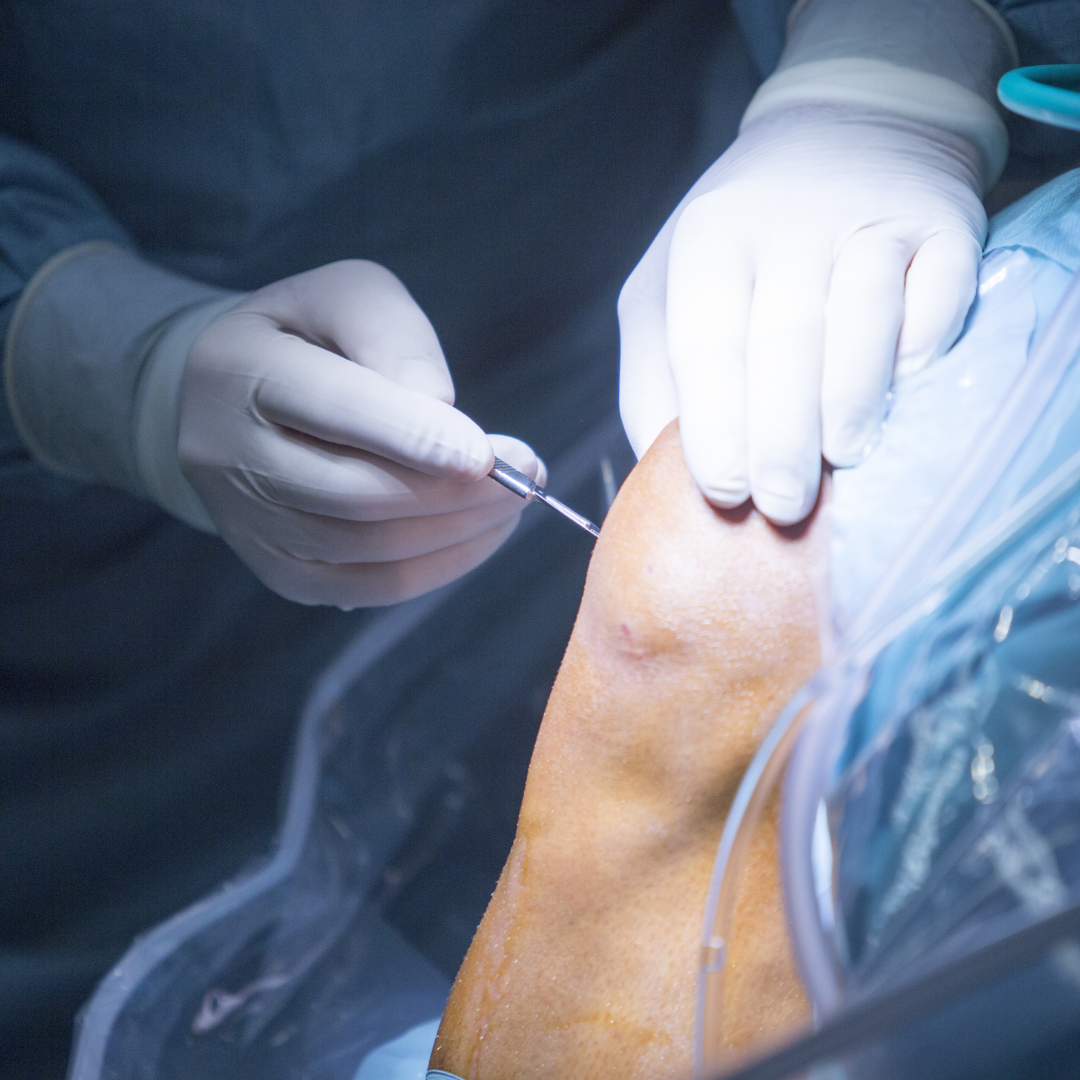
During the operation the damaged area is removed and the correct size prosthetics are implanted. There are various ways to perform the operation depending on the patient and doctors preference.
Following the operation patients will complete a rehabilitation programme to help improve their movement, strength, balance and walking.
Recovery From A Partial Knee Replacement
Recovery will depend on the patients age, overall health, strength and knee status. Many patients will begin to move and walk with assistance post operation as advised by the doctor.
Patients will complete:
- Physiotherapy exercises as advised.
- Walk more throughout the day.
- Learn how to climb stairs and sit safely.
- Take medication as advised.
- Attend appointments.
- Avoid high impact activities on the knee until advised by the doctor.
Everyone’s recovery will be different. It is best to stick to the plan.
When To See the Best Orthopedic Surgeon In Banashankari?
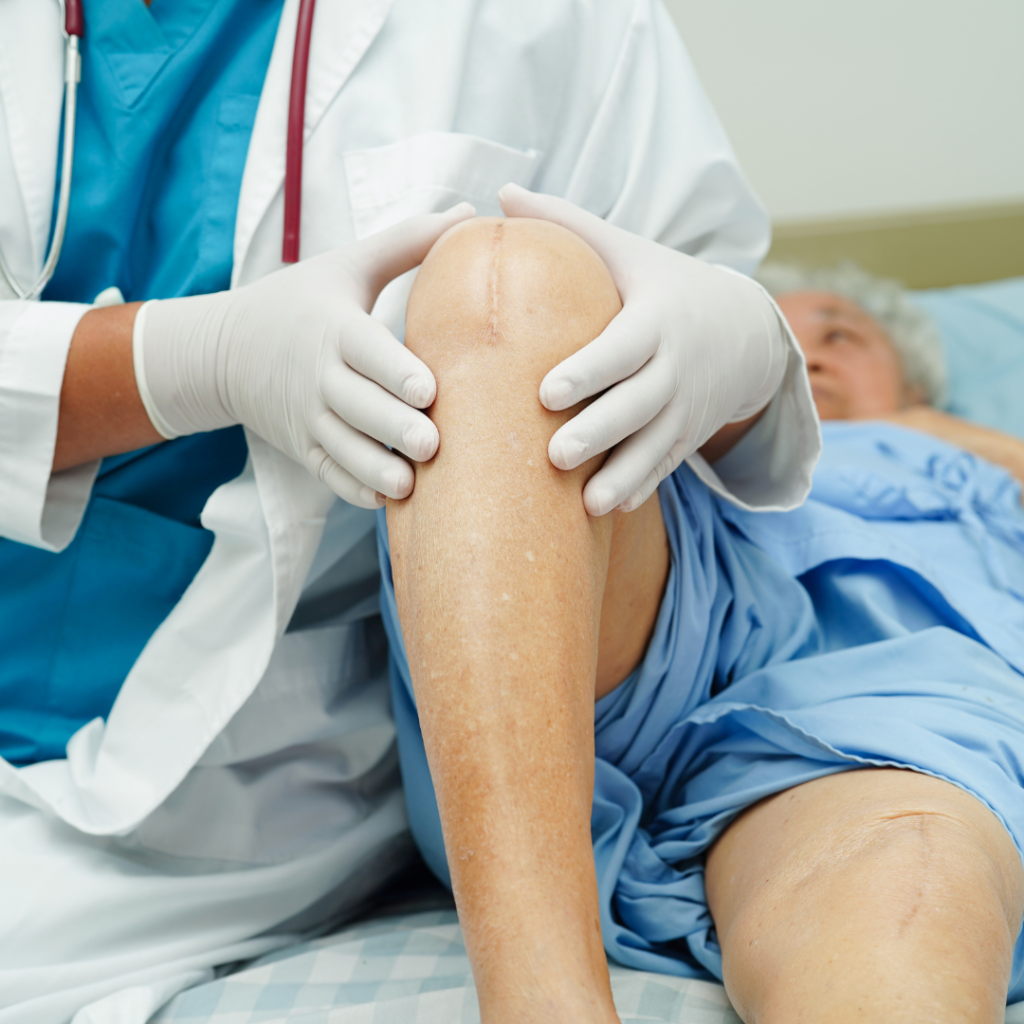
If you are suffering from knee pain that has lasted a few weeks, is affecting your sleep, making it difficult to walk or making everyday tasks more difficult. Or if you have swelling, stiffness, limited movement and pain that isn’t improving with treatment.
Seeing a Best Orthopedic Surgeon in Banashankari can help decide if a partial knee replacement, total knee replacement or alternative treatment is best for you. Getting seen early can help to determine how severe the arthritis is.
Conclusion
A partial knee replacement can be helpful for those with arthritis in one area of the knee. By repairing the damaged area and leaving the rest intact it may help alleviate pain. The decision will depend on a thorough assessment.
If you are looking for treatment Dr. Gagan Dittekoppa | Orthopaedic Surgeon | Digvish Multispeciality Hospital | Banashankari Bangalore can provide advice on knee issues. Talking to Dr. Gagan Dittekoppa can help you understand if a partial knee replacement or alternative is best for you.