Early Signs of Arthritis
Best Orthopedic Doctor in Banashankari Explains Early Signs of Arthritis

Arthritis is an issue that impacts the joints bringing pain, stiffness, swelling and trouble with daily tasks. While it’s often seen as people get older it can show up in adults at any age. Spotting the signs helps people get medical help sooner and manage symptoms before they start to really mess with their daily life.

Talking to the Best Orthopedic Doctor in Banashankari can help you understand what’s going on with your joints figure out possible causes and look at treatment options. In this blog we cover the signs of arthritis, common risk factors and simple ways to take care of your joints.

What Is Arthritis?

Arthritis is not one thing. It’s a group of conditions that cause inflammation or damage to one or more joints. It can affect knees, hips, hands, shoulders and other parts of the body.

Two common kinds are:

  • Osteoarthritis: This happens when the cartilage. The cushion in a joint. Slowly wears down. This causes pain, stiffness and difficulties in movement.
  • Rheumatoid Arthritis: This is a condition characterized by an immune response in the body where the lining of the joints becomes inflamed due to the immune system attacking it.

This depends on the kind of arthritis being suffered from. It is important to have the correct diagnosis done to determine the nature of the disease.
Best Orthopedic Doctor in Banashankari

1. Joint Pain

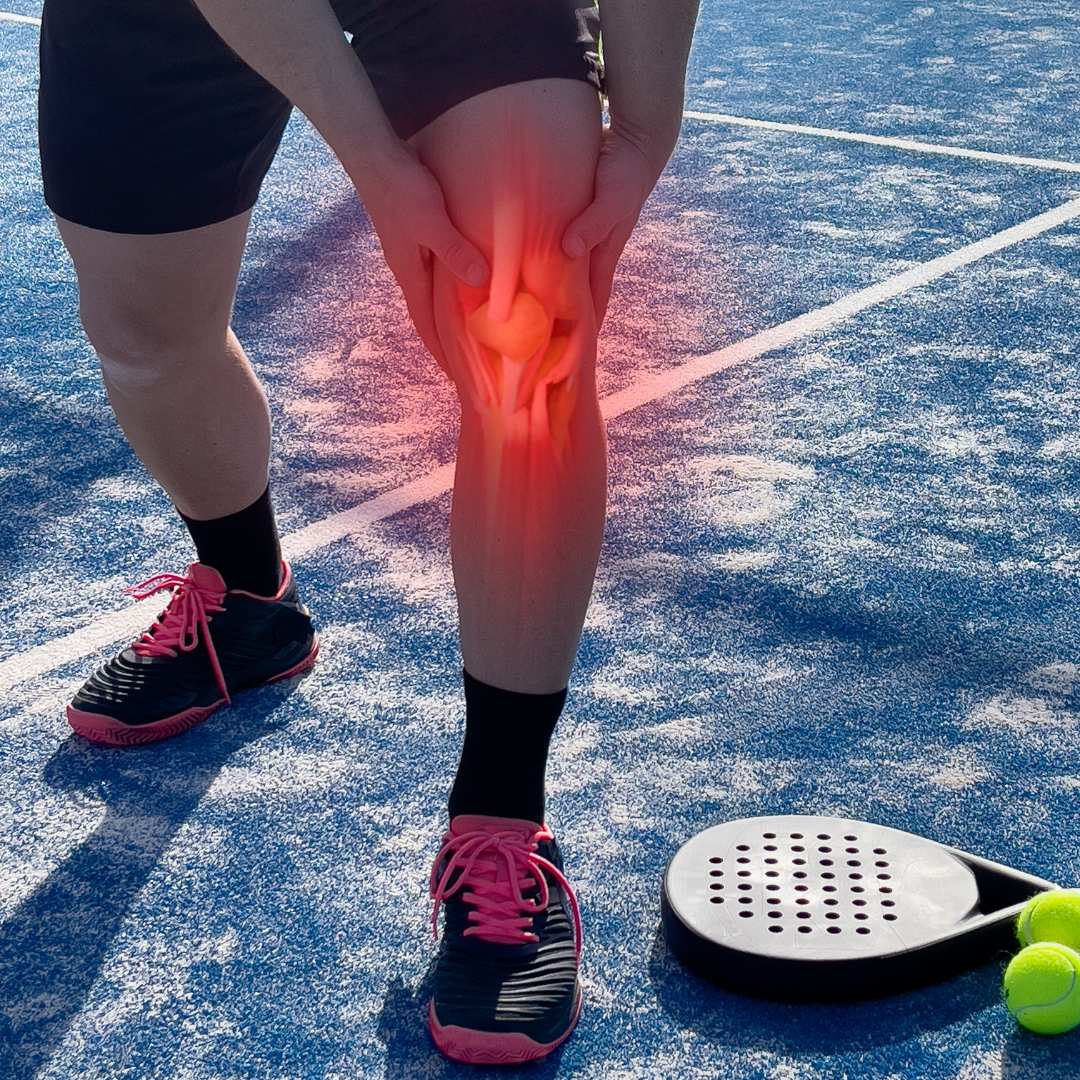
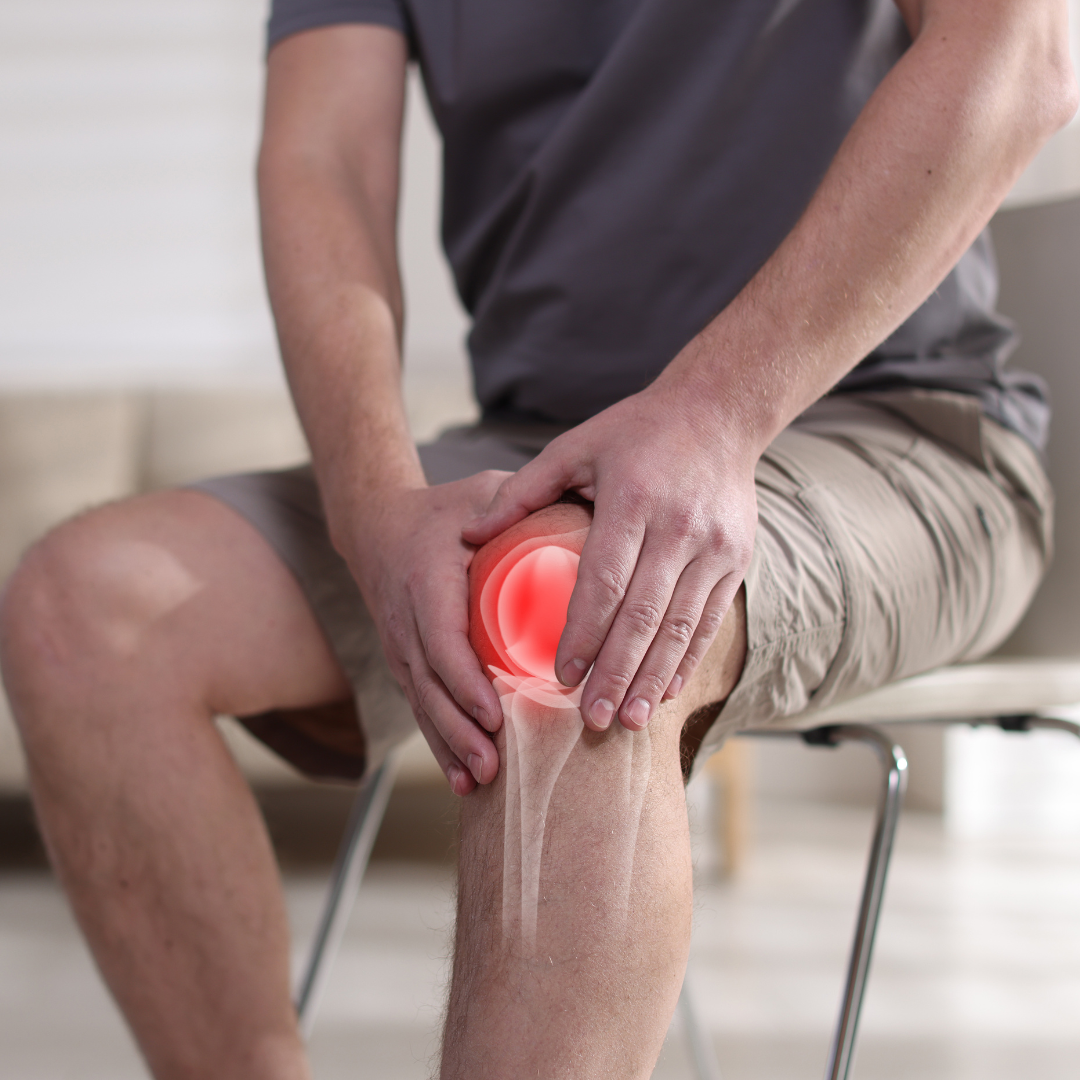
The onset of arthritis is characterized by the recurrent pain that you experience. Initially, the pain occurs after walking, ascending stairs, physical activity or engaging in activities that strain the joints.

For instance, a patient suffering from knee osteoarthritis may feel pain upon standing for some time or walking a long distance. Initially the pain will disappear after resting It can get worse and stick around more over time.

If the pain keeps returning or starts to get in the way of life it’s a good idea to see the Best Orthopedic Doctor in Banashankari to find out if arthritis or another joint problem is to blame.

2. Morning Joint Stiffness

Joint stiffness when getting up from bed is another sign of arthritis. You are expected to find it difficult to bend your knees, to close your fingers and move your joints after a long period of inactivity.

If the joint stiffness results from osteoarthritis, then after some minutes of moving, the stiffness gets better. However, with joint stiffness caused by rheumatoid arthritis, the joint stiffness continues to develop, affecting other joints as well. The duration and frequency of your joint stiffness should be noted down.

3. Joint Swelling

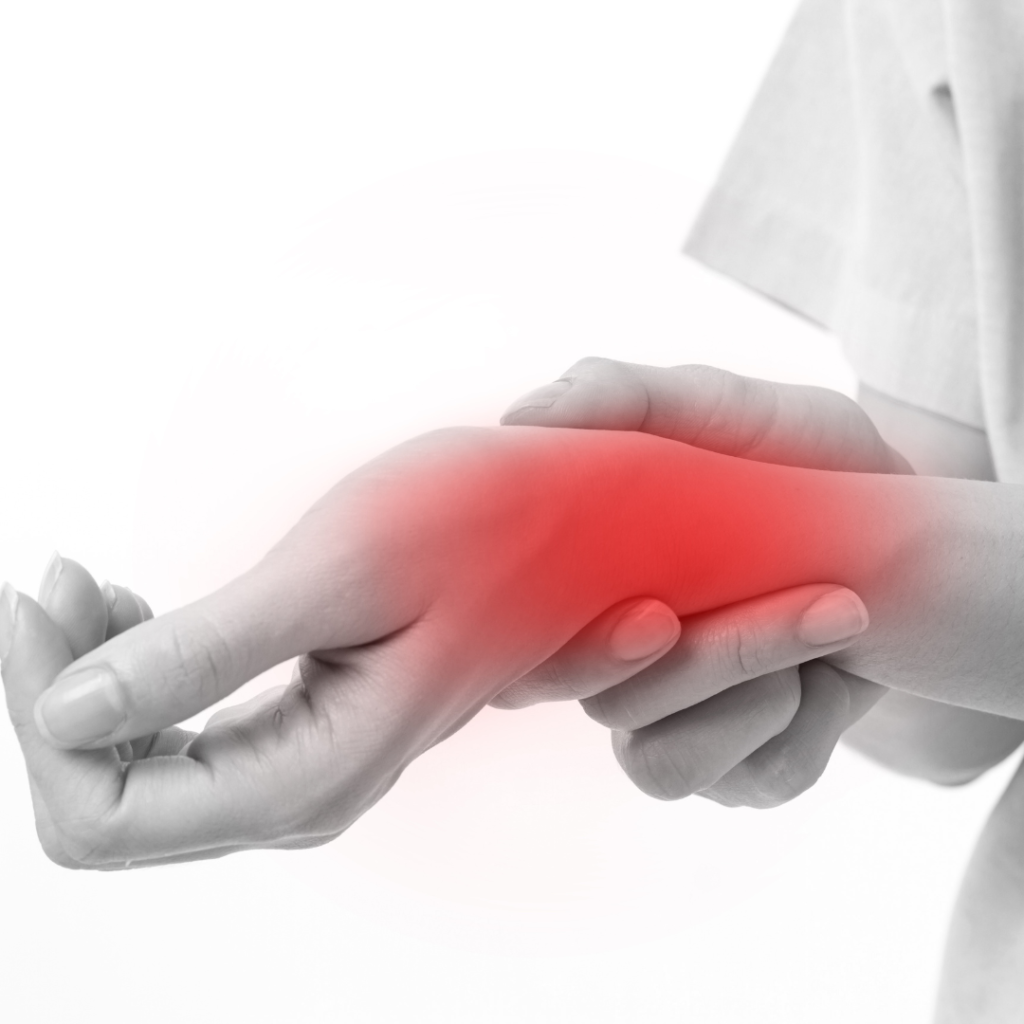
The swelling occurs as a result of the inflamed joint or the presence of additional fluids within the joint. You can see the swelling in your knee joints, fingers, wrists, or ankles.

It will probably be painful, warm, or tender to touch. Ignoring the swelling is not advised if it is continuous because it could be due to arthritis along with other factors like an injury or infection.

However, your physician will be able to diagnose what is wrong with you. But if there is fever, swelling of the joint, and severe pain, it is essential to see your physician.

4. Range of Motion

Have you noticed you can’t bend your knee all the way raise your arm or move your fingers as easily as before? It shows that there is an issue with your joint.

Joint inflammation and joint destruction are characteristic of arthritis which leads to pain and impaired movement. Simple tasks such as dressing up, cooking and going upstairs become tough.

The evaluation by your orthopedic doctor will help determine the extent of your movement and exercises for you.

5. A Grating or Clicking in Joints

For some individuals, certain sounds like clicking or popping sounds are experienced during the movement of their joints. This can occur for the knees due to the breakdown of cartilage.

But clicking alone doesn’t mean you have arthritis. It can happen in joints too.

If strange noises come with pain, swelling, stiffness or trouble moving it’s worth getting checked to find out why.

6. Joint Pain That Worsens After Activity

The pain, swelling, and damage occur in the joints because of arthritis. Simple activities such as dressing, cooking, walking, and climbing the stairs become difficult for you to perform.

Orthopedic examination is conducted to find out the limitations of movements, and based on the findings, it tells you what treatment to undertake – whether it is exercises, physiotherapy, medication, or any other treatment.

7. Joint Tenderness and Joint Warmth

Joint tenderness and joint warmth are due to inflammation and they are commonly experienced by people suffering from rheumatoid arthritis.

When more than one joint becomes tender or swollen on both sides of the body. It is possible that your doctor will examine further to see whether there is inflammation or not.

It is very important that you undergo the diagnosis since some kinds of inflammatory arthritis cause damage to joints if not treated.

Common Arthritis Risk Factors

The common arthritis risk factors include:

Risk factors for arthritis are as follows:

  • Age: With age, chances of osteoarthritis increases.
  • Genetics: It is often a cause of arthritis.
  • History of joint injury: Previous joint injury can result in arthritis.
  • Obesity: Extra weight adds pressure to knees and hip joints.
  • Strain on joint: Strain on joint because of work or any other activity is also a cause of arthritis.
  • Autoimmune diseases: Diseases which may cause arthritis.

Identification of risk factors makes it easier to avoid and treat arthritis.

Diagnosis of Arthritis

First of all, the doctor will examine your medical history. Physical examination is done to determine any pain, swelling, stability and joint movement.

They may recommend the following based on findings:

  • X-Ray: This test can be used to detect signs of joint space narrowing or bony outgrowths in osteoarthritis.
  • Blood Test: It is done to determine if one has arthritis.
  • MRI: It is used for additional details regarding inflammation or soft tissues.

    Not everyone needs all tests. What’s done depends on your symptoms and the type of arthritis suspected.

    Arthritis Treatment Options in Early Stages

    Taking into account the kind of arthritis you have, where you have the arthritis, how severe your symptoms are, and your general health status, some types of treatments are recommended for you. Such treatments aim to minimize your pain, enhance your movement, and preserve your joint function.

    Common ways to manage it include:

    Exercises and Physiotherapy

    This will improve flexibility and balance as well. You can be guided by the physiotherapist as to what type of exercises you should do.

    Weight Management

    Gradual and consistent weight loss reduces the stress that occurs in the knees and hips, thus improving osteoarthritis particularly if you are obese.

    Medication

    Based on your medical condition, your doctor may prescribe you with certain medications for pain relief. You should never consume any medication without the consent of your doctor first.

    Changes in Your Lifestyle

    Low-impact activities such as walking, swimming, and cycling may be helpful in improving your movement skills. You should always strike a balance between exercise and rest.

    Further Treatments if Necessary

    If symptoms don’t improve with surgical treatments your doctor might talk about injections or surgery in some cases.Your treatment should be individually adjusted considering your needs and not only symptoms.

    How Can You Help Prevent or Relieve Arthritis Symptoms?

    There are some kinds of arthritis which cannot be prevented; however, there are some precautions which you should follow to keep your joints healthy and alleviate your symptoms.

     Maintain your body weight within the limits.

    • Exercise without overstraining yourself.
    • Consume a healthy and well-balanced diet including proteins, vitamins, and minerals.
    • Do not smoke.
    • Learn how to lift things properly.
    • Consult your physician if you experience pain and inflammation in your joints.
    • Follow the treatment and physiotherapy.

    These are some little things which will be of much help for your movements and joints.

    When Should You Consult the Best Orthopedic Doctor in Banashankari?

    You should seek treatment if you have:

    • Pain that occurs repeatedly.
    • Morning stiffness.
    • Unexpected swelling.
    • Difficulty in movement or performing daily activities.

    You should visit the emergency department if you have the following:

    • Severe joint pain that occurs suddenly.
    • Hot, swollen joint.
    • Fever.
    • Unable to place weight on your injured limb.

    The Best Orthopedic Doctor in Banashankari can review your symptoms suggest tests and explain all the treatment choices for your condition.

    Conclusion

    Recognizing signs of arthritis. Like frequent joint pain, morning stiffness, swelling, limited movement and pain after activity. Can help you get medical help before symptoms take over your life. Even though you can’t always prevent arthritis, early diagnosis the right treatment, regular movement and healthy habits can help you keep your joints working and stay active.

    If you’re dealing with joint pain or stiffness talk to the Best Orthopedic Doctor in Banashankari for a proper check-up. Dr. Gagan Dittekoppa is a choice, for an orthopaedic consultation to assess joint symptoms and discuss care options. Taking action early can help you stay active and manage arthritis better.

    Bone Specialist in Banashankari Discusses How to Maintain Strong Bones After 40
    Bone Specialist in Banashankari Discusses How to Maintain Strong Bones After 40

    Bone health becomes more critical after a person turns forty years old. With increasing age, bone density may reduce gradually; therefore, the chances of fractures, osteoporosis, and other bone diseases become more. Eating well along with exercising is beneficial in maintaining healthy bones and mobility.

    Bone Specialist in Banashankari will help you understand your bone health and take necessary steps for keeping your bones healthy in the future. In this blog we look at ways to protect bone strength after 40 and lower the chance of bone issues that come with getting older.

    Why Is Bone Health an Issue after Age 40?

    Bones are living tissue that is constantly being remodelled. As individuals get older, the rate of bone formation may not keep up with the rate of bone breakdown. Hormonal changes, not nutrients not moving enough and some health issues can also affect bone density.

    After 40 some people may face a risk of:

    • Osteoporosis and less density bones
    • Fractures from small falls or injuries
    • Stiff joints and less movement
    • Low levels of vitamin D and calcium
    • Back pain from certain bone issues

    Bones related problems can be stopped from worsening by regular checkups.

      1. Calcium Requirement for Healthy Bones

      Calcium is a mineral that helps in maintaining the health of the bones through strength. The intake of calcium in the form of foods gets more significant as one grows older.

      Add foods in calcium to daily meals like:

      • Milk, yogurt and other dairy items
      • Ragi and other grains with calcium
      • Green vegetables
      • Sesame seeds and almonds
      • Calcium-rich foods

      It is important to point out that calcium requirements vary depending on many factors such as age and health status of an individual. It is highly recommended to consult a doctor before taking any kind of calcium supplements.

      2. Get Sufficient Vitamin D

      Vitamin D allows one’s body to absorb the needed amounts of calcium. One cannot ensure bone health without vitamin D.

      To help get vitamin D:

      • Get yourself outside in the sun.
      • Eat foods that have vitamin D like eggs, fish, and other foods fortified with vitamin D.
      • Undergo the test of vitamin D levels if there is a possibility of deficiency.
      • Vitamin D is only supposed to be consumed when advised by a physician.

      A bone specialist in Banashankari is available in case of bone complications. Testing and treatment methods based on individual needs.

      3. Bone Strengthening Exercises

      This is good for your bones, muscles, balance, and flexibility.

      Some good activities include:

      • Walking
      • Climb stairs if it is safe for you to do so
      • Weights or resistance bands should be used to enhance the strength of your muscles
      • Balancing and non-fall exercise
      • Yoga and exercise movements

      Pick the exercises according to the fitness and well-being level at present. If you have osteoporosis, past injuries, or joint pain, it would be wise to seek the advice of your doctor prior to performing any form of exercises.

      4. Your Body Weight at Ideal Level.

      Proper body weight will enhance your bone and joint health. overweight people have low bone density and a chance of getting bone fractures . The meaning of obesity is that there will be more pressure on the knees, hips, and other joints.

      A healthy diet has to be maintained as it is very important to provide the body with the required amount of protein, vitamins, and minerals. Healthy diet comprises of activities which build muscles and bones. Quick methods for weight loss cannot be used as it can result in malnutrition and weak bones.

      5. Stop Smoking and Stop Consuming Alcoholic Drinks

      Smoking has a negative impact on your bone health. You are at risk of getting osteoporosis Excessive intake of alcohol can prevent the development of bones and lead to falls and fractures.

      To protect bones:

      • Avoid smoking and tobacco products
      • Consume alcohol moderately or abstain from drinking entirely.
      • Consume food.
      • Stay active.
      • Follow advice if there are risk factors for bone loss

      Lifestyle changes like these can help bones be overall health better.

      6. Get Regular Bone Health Check-Ups

      Bone loss can happen without any signs at first. Some people are diagnosed with osteoporosis or low bone density only after experiencing a fracture.

      Sometimes, a medical professional may advise a test known as DEXA or DXA for testing bone density. This all depends on age and health considerations.

      Medical checks are vital in case a person has:

      • A family history of osteoporosis
      • Early menopause or other risk factors
      • Chronic usage of some drugs including steroid
      • Health problems involving the body’s utilization of calcium or bone formation
      • Back pains or loss of height

      A Bone Specialist in Banashankari is available to evaluate any signs and risk factors for proper measures and precautions.

      7. Properly Feed Your Body with Adequate Proteins

      Protein helps with the structure of bones and helps keep muscles that support the body. Not eating protein can cause weak muscles and a higher chance of falling.

      Add sources of protein like:

      • Eggs and fish
      • Milk, yogurt and paneer
      • Beans, lentils and chickpeas
      • Soy foods
      • Nuts and seeds

      Eating food containing protein, calcium and Vitamin D will be useful for bone and muscle strength.

      8. Prevention of falls and protection of bones

      The risk of fractures due to falls increases in case of weak bones. It can be reduced through better balance and home safety.

      Do the following:

      • Clear all tripping hazards from the floor.
      • Ensure proper lighting in hallways and stairways.
      • Install grab bars if necessary
      • Wear comfortable, non-slip footwear.
      • Check eyesight
      • Do balance and strength exercises that’re right for ability.

      If a fall. There is severe pain, swelling or trouble putting weight on a leg get medical help right away.

      Bone Specialist in Banashankari Discusses How to Maintain Strong Bones After 40

      When Should You consult a Bone Specialist in Banashankari?

      Even if bone loss doesn’t have signs some signs should not be ignored. Visit a physician if there is any pain in the bones, strange fractures, a noticeable reduction in height or constant back pain. Also, if someone already has osteoporosis, has chances of losing his bones for different reasons, or cannot do some work due to his bones and joints, he should visit a doctor.

      The correct physician would be able to examine him and make tests and plan out the correct treatment plan for him. No smoking, reduced alcohol intake, no falls and awareness about the risk factors of osteoporosis would ensure healthy bones at the old age.

      If there is any concern regarding the bone density, continuous bone pain, or risks of bone fractures, a visit to a Bone Specialist in Banashankari will help understand the bone health better. Visit a doctor in the case of bones’ pain, unusual bone fractures, shrinking in height, or continuous back pain.

      Consultation will be necessary in case you have osteoporosis, are more prone to bone loss or experience problems in performing regular activities due to bones and joints. It is imperative that you consult the right person who will investigate your issue and give recommendations on what tests to conduct.

      Conclusion

      Bone care at the age of 40 years and above is characterized by proper nutrition in terms of intake of calcium and Vitamin D, exercise, proper intake of protein and generally being healthy. Bone care for elderly people involves non-smoking, restricted drinking of alcohol, avoiding falling down and osteoporosis.

      In case there are any questions regarding bone density, bone pain or any fractures, consulting a Bone Specialist in Banashankari can give information regarding bone health and preventive methods. Dr. Gagan Dittekoppa can be considered for a check-up and advice, on bone and muscle health. With medical advice and regular healthy habits people can build stronger bones stay mobile and have a more active life after 40.

      Sports Orthopedic Doctor Banashankari
      Sports Orthopedic Doctor Banashankari Shares Tips to Prevent ACL and Meniscus Injuries

      Another injury that tends to affect people such as athletes and other physical people are knee injuries. The two areas in the knee that tend to be injured are the Anterior Cruciate Ligament and the Meniscus. Some of the effects of having knee injuries are pain, instability, and inability to do activities.

      A Sport Orthopedic Doctor Banashankari can be able to treat and advise patients on how to avoid these injuries.

      What is Anterior Cruciate Ligament and Meniscus Injury?

      Anterior Cruciate Ligament refers to a ligament found in the knee joints which helps in preventing the movement of the shin bone forward. The ACL injury occurs due to participating in activities such as sports where there are rapid directional changes, jumping and quick stops.

      The meniscus is the cartilaginous tissue that has the shape of letter C and acts as a shock absorber between the thighbone and shinbone. Injury to the meniscus occurs when there are twisting movements and sporting activities.

      Causes of ACL and Meniscal Injuries

      • Changes in direction while running
      • Improper landing after jumping
      • Direct impact to the knee
      • Weak thigh and leg muscles
      • Poor sports techniques
      • Inadequate warm‑up before exercise
      • Overtraining and repetitive stress

      According to a Sports Orthopedic Doctor Banashankari many of these injuries can be prevented with conditioning and training.

      Warning Signs of ACL and Meniscus Injuries

      ACL Injury Symptoms

      • A popping sound at the time of injury
      • Immediate swelling
      • Knee instability or giving way
      • Difficulty walking or running
      • Pain during movement

      Meniscus Injury Symptoms

      • Knee pain and tenderness
      • Swelling around the joint
      • Locking or catching sensation
      • Inability to bend or straighten the knee properly
      • Limited range of motion

      Visiting a Sports orthopedic doctor who specializes in sports medicine in Banashankari early on will prevent you from having additional issues in the future.

      Tips to Prevent ACL and Meniscus Injuries

      1. Strength Training of Knee Muscles

      Healthy quads, hamstrings, buttocks and calves muscles will support the knees. Training will decrease the probability of having injuries related to the ligaments and cartilages.

      2. Always Warm Up Before Exercise

      This is essential since it will help enhance your blood flow.

      3. Practice Proper Landing Techniques

      Bad landing after a jump can create a lot of stress on the ACL and meniscus. It is advisable for athletes to attempt to land their jumps with bent and well-aligned knees.

      4. To Improve Balance and Stability

      There are exercises that will improve balance and help coordinate movements without the risk of getting injured.

      5. Use Sports Techniques

      Whether it be for playing football, basketball, badminton or any other sports, knowing how to move correctly can prevent injuries.

      6. Avoid Overtraining

      Training without proper recovery can increase fatigue and decrease muscle coordination which leads to injury.

      7. Proper Footwear

      Footwear helps in providing stability and decreases stress on knees while doing any activity.

      8. Maintaining Proper Body Weight

      Weight puts additional load on knees which increases chances of injuries and knee joint damage.

      Treatment Options for ACL and Meniscus Injuries

      Treatment depends on how bad the injury’s how active the person is.

      Non‑Surgical Treatments

      • Rest and activity modification
      • Physiotherapy and rehabilitation
      • Bracing when necessary
      • Pain and inflammation management

      Surgical Intervention

      Surgical intervention is required for patients who have sustained serious trauma including torn ACL, an unstable knee, or severe meniscal tears.

      Sports Orthopedic Doctor Banashankari

      When to Consult a Sports Orthopedic Doctor Banashankari

      You should seek attention if you experience:

      • Persistent knee pain
      • Swelling after sports activities
      • Knee instability
      • Difficulty walking or running
      • Repeated knee injuries

      It is possible to stop additional harm from occurring by making sure that you diagnose the condition early and treat it properly.

      Conclusion

      ACL and meniscus Injuries to the meniscus can happen at any age but it is often the case that such injuries are avoidable. Taking advice from experts will protect your knees. Keep you active.

      If you are experiencing knee pain or want advice on injury prevention consult Dr. Gagan Dittekoppa, an experienced Sports Orthopedic Doctor Banashankari for full evaluation, treatment and personalized sports injury care.

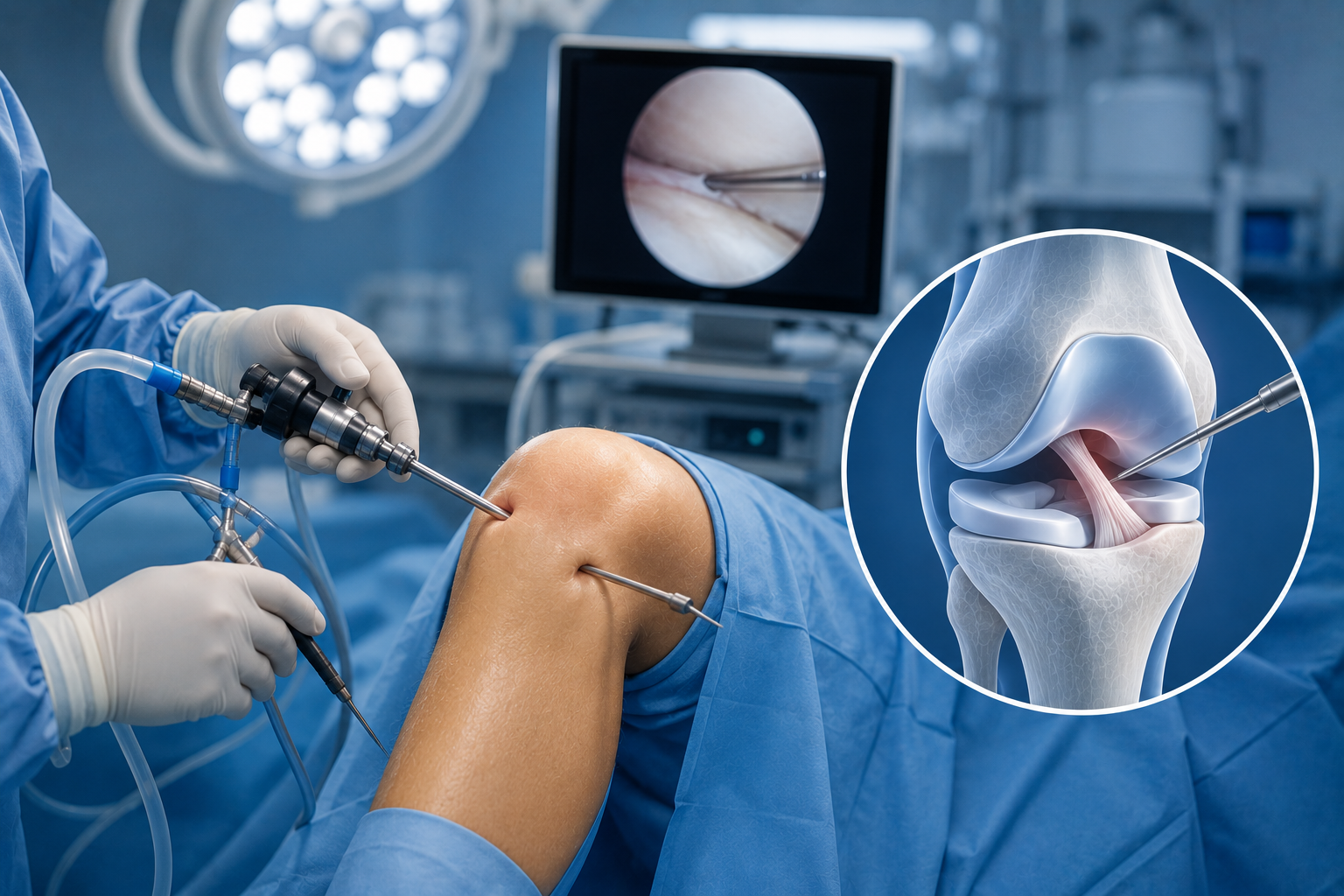
      Orthopedic in Banashankari Explains Common Causes of Knee Pain and Effective Treatments

      Knee pain is one of the common issues that affect the muscles and bones and it can happen to anyone no matter their age. Sometimes it is caused by an accident. Maybe its because of a condition like arthritis or maybe it’s from doing too much activity or from getting older. Knee pain can make it hard to do things and can make life less enjoyable. Visiting an Orthopedic in Banashankari can help find out what is causing the pain and offer the way to fix it for lasting relief.

      Common Causes of Knee Pain

      1. Osteoarthritis

      Osteoarthritis is a disease that affects the joints, and occurs where the soft tissues protecting the knee start wearing out. It is usually found in people and can cause pain, tightness, swelling and trouble moving.

      2. Ligament Injuries

      The knee has important ligaments like the ACL, PCL, MCL and LCL. Sports, movements or accidents can cause these ligaments to tear. This can lead to pain feeling unstable and trouble walking. An Orthopedic in Banashankari can check how bad the injury is. Suggest the right treatment.

      3. Meniscus Tears

      The meniscus acts as a shock absorber inside the knee joint. The meniscus may get torn due to a twisting injury or aging. People often feel pain swelling. Their knee might get stuck when they move.

      4. Patellar Tendinitis

      This is also called jumpers knee. It occurs due to inflammation in the tendon which connects the kneecap and the leg bone. It is a common condition amongst those who frequently engage in jumping activities.

      5. Bursitis

      Small sacs filled with fluid called bursae help the knee move smoothly. Doing the things over and over or staying on the knees for too long can cause these sacs to become inflamed. This can lead to pain and swelling.

      6. Fractures

      There could be a fracture of the bones surrounding the knee due to falling, sports injuries, and accidents. These require proper treatment and professional assistance.

      7. Obesity and Extra Weight

      Carrying weight can put more pressure on the knees making it more likely to have pain and damage to the cartilage. Losing weight is often a part of the treatment plan advised by an Orthopedic in Banashankari.

      Signs That You Should Pay Attention To

      • Persistent knee pain
      • Swelling around the joint
      • Difficulty walking or climbing stairs
      • Knee instability or giving way
      • Locking or catching sensations
      • Reduced range of motion
      • Pain during physical activity

      If these signs continue for days it is important to get help from a skilled Orthopedic in Banashankari.

      Effective Treatments for Knee Pain

      Non-Surgical Methods

      • Rest and Changing Activities

      Taking a break from things that make knee pain worse can help the knee heal. Reduce swelling.

      • Physiotherapy

      Exercises that build up the muscles around the knee can help the knee feel stronger be more flexible and work better.

      • Medications

      Some medications that reduce inflammation can help with pain and swelling when used as directed by a doctor.

      • Losing Weight

      Keeping a weight can take pressure off the knee and make symptoms better.

      More Advanced Treatments

      • Injection Therapy

      Some injections can help with pain. Make the knee work better for certain patients.

      • Arthroscopic Surgery

      This is a surgery that can treat problems like ligaments or meniscus tears.

      • Knee replacement Surgery

      For bad arthritis or serious damage, a partial or full knee replacement may be needed to help the knee move better and improve life quality.

      Tips to Maintain Healthy Knees

      • Stay active
      • Keep a weight
      • Wear shoes that support the feet
      • Don’t increase exercise too fast
      • Work on strengthening the legs
      • Use the right way to do sports and exercise

      Conclusion

      Knee pain can come from many reasons, like arthritis, injuries, tears, breaks or too much use. Finding out what is wrong early and getting the care is important to stop more damage and get back to moving. If you have pain that keeps coming seeing a good Orthopedic in Banashankari can help you get the care you need.

       Dr. Gagan Dittekoppa offers orthopedic checks and plans made just for each person to help them move better feel less pain and get back, to their daily life with confidence.

      Orthopedic Health & Mobility Blog

      Welcome to the iLUMNA Orthopedics Blog, where we share expert guidance, treatment
      insights, recovery advice, and practical orthopedic information for patients and families. As a
      leading Orthopedic Clinic in Banashankari, we publish articles that help patients
      understand joint health, sports injuries, arthritis, fractures, spine conditions, and
      rehabilitation.


      Topics We Cover


      ● Knee Replacement Surgery
      ● Robotic Knee Replacement
      ● Sports Injuries
      ● Shoulder Pain
      ● Back & Spine Care
      ● Hip Disorders
      ● Fracture Management
      ● Arthritis Treatment
      ● Pediatric Orthopedics
      ● Joint Preservation
      ● Rehabilitation & Physiotherapy
      ● Bone Health
      ● Orthopedic Surgery Recovery
      ● Injury Prevention
      ● Active Lifestyle & Mobility

      Trusted Orthopedic Information


      Our goal is to help patients make informed decisions about orthopedic treatment, understand
      available options, and actively participate in their recovery process.
      Whether you are looking for information about Orthopedic Surgery, Sports Orthopedic
      Care, Back Pain Treatment, Shoulder Orthopedic Treatment, Knee Replacement, or
      Robotic Orthopedic Surgery, our blog provides practical and evidence-based guidance
      from experienced orthopedic specialists

      Chat with us on WhatsApp